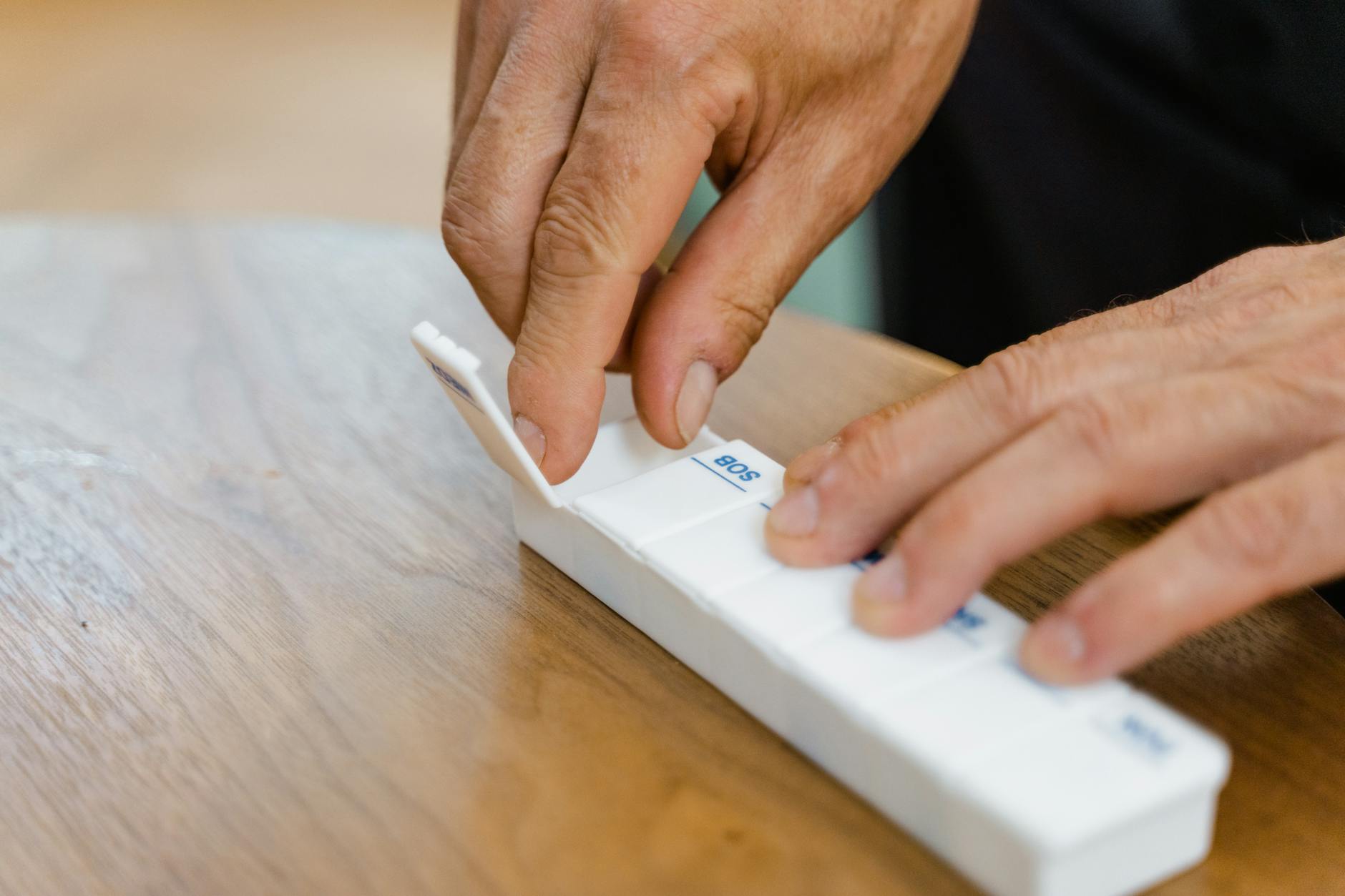
A 73-year-old man in Whitehall stopped taking his Eliquis on a Wednesday. He didn't refuse it — he just got distracted by a phone call and forgot, then forgot the next morning, then forgot Friday too. By Saturday afternoon he was in the ER with a clot. He'd been on Eliquis for atrial fibrillation for six years without missing a dose. Three days of forgetting was enough. The New England Healthcare Institute estimates medication non-adherence causes around 125,000 deaths a year in the U.S. and roughly $$300 billion in avoidable hospitalizations. For seniors, studies suggest as many as half don't take their prescriptions exactly as directed. The kicker: it's almost never refusal. It's forgetting.
Mayo Clinic reviews keep landing on the same handful of reasons, and none of them are "willful." It's:
For somebody managing diabetes, blood pressure, and afib at the same time, a single missed dose can spiral into an ER visit within 48 hours. The pill itself is cheap. The downstream cascade isn't.
CooloCare's Danielle calls every morning. The call includes a medication module tailored to that senior's specific regimen — by name, by timing, by prescribing doctor. She asks. She listens. If a senior says "I forgot my Eliquis," that flag goes to a real CooloCare nurse in Columbus the same morning. If she says "I'm not sure," that's flagged too. Confusion is its own warning sign.
Because the call happens every day, missed doses get caught within 24 hours. Not at the next doctor visit in three months when the symptoms have already cascaded. For high-risk medications — blood thinners, blood pressure drugs, insulin — that 24-hour window is the difference between a phone call and a hospital admission.
This is the part most "med reminder" apps skip. An app reminds. It doesn't follow up. It doesn't escalate. It doesn't notice that mom's "I took it" is starting to sound rehearsed.
CooloCare's model treats Danielle's flag as the start, not the end. A licensed nurse calls within hours. The family gets notified. If it's the second missed dose in a week on a high-risk medication, the prescribing physician is looped in.
We've intervened on two strokes-in-progress and one insulin coma in the last six months that way. Not because the AI is magic — because the AI handed the right alert to the right human at the right time.
"My dad has been on warfarin since his bypass. One missed dose isn't catastrophic; three is. Danielle caught a stretch of confusion in February and a CooloCare nurse called me before lunch. We adjusted his pill organizer that weekend. His cardiologist at OSU Wexner now considers Danielle part of the care team."
— Tom, son of CooloCare patient in Grandview Heights
💊 Worried about a missed pill becoming an ER visit? Book a free consultation or call (614) 858-3777. Daily monitoring can start within 48 hours.