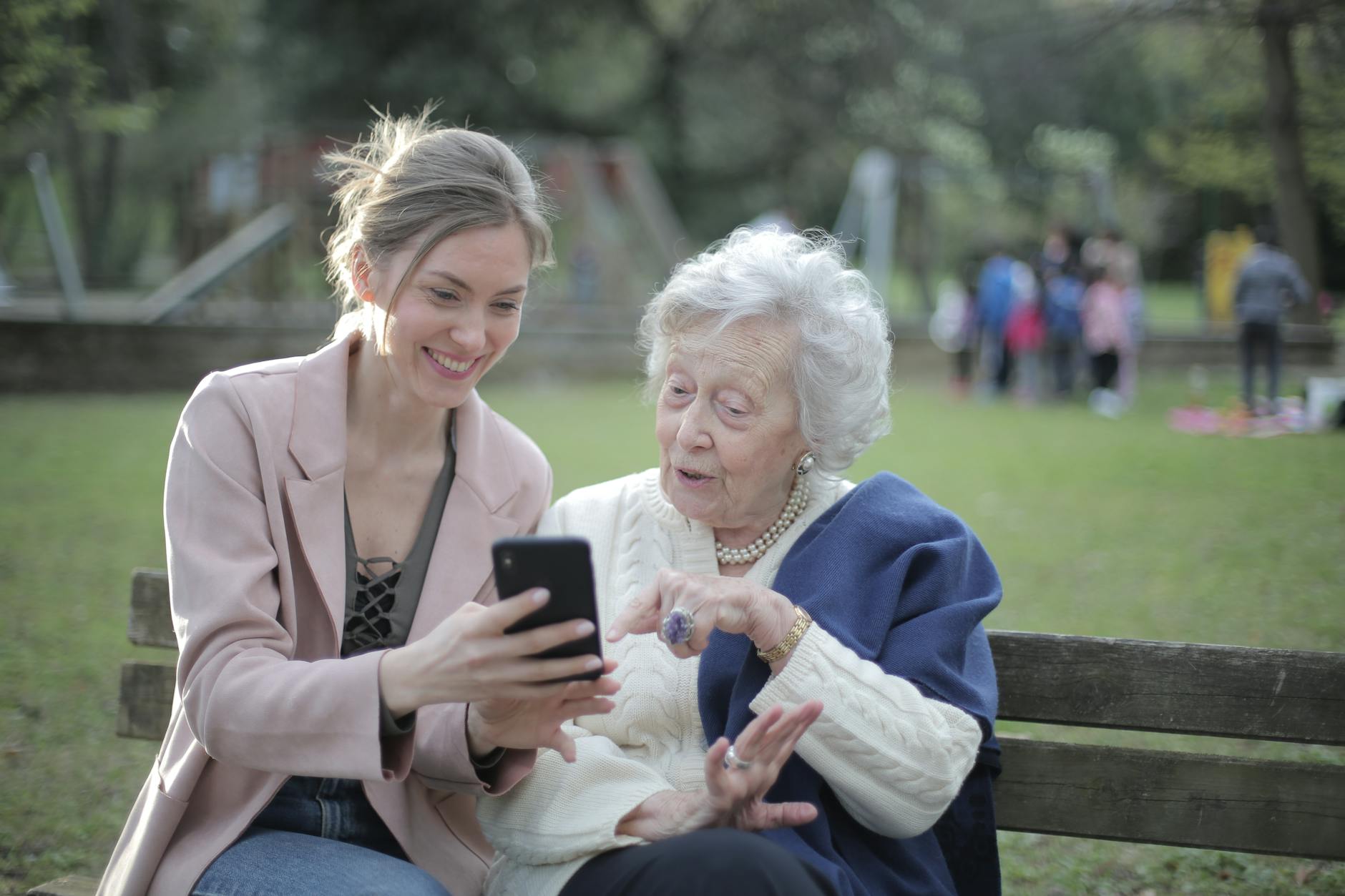
A 2010 meta-analysis from BYU's Julianne Holt-Lunstad combined 148 studies and 308,000 participants and found something most cardiologists won't tell you: people with strong daily social contact were 50% more likely to be alive at the end of the study period than people without it. That number got almost no press coverage. It should have been a headline. For seniors specifically, a daily phone call is one of the cheapest, most accessible, most effective health interventions on the menu — and most families skip it because nobody told them it counted as medicine.
The 2015 follow-up paper from the same lab broke loneliness out from social isolation. Both came in around 26%–29% increased mortality risk. That's roughly the same magnitude as obesity. The effect held across ages, sexes, baseline health, and cause of death.
If your mom is 78 and lonely, her one-year mortality risk is about a quarter higher than her neighbor with the same heart condition who has dinner with her family on Wednesdays. That's not a soft outcome. That's measurable.
Researchers point to three mechanisms. None of them are mystical.
One: chronic stress drops. Daily contact lowers cortisol and inflammatory markers. Inflammation drives heart disease and dementia. Less inflammation, longer life — boring but true.
Two: routine. A senior who knows Danielle calls at 9 AM gets up at 8:30. She's dressed. She's oriented. She's eaten. Routine protects against cognitive decline more than almost any other intervention researchers have measured.
Three: early-warning detection. The voice that sounds slurred this morning. The breathing that's heavier than yesterday. The fall that happened overnight. Caught in 24 hours, those are usually fixable. Caught in three weeks, they're hospital admissions.
Don't beat yourself up about this. AARP data shows the median adult child calls a senior parent one or two times a week. That's a normal, loving, fully employed daughter doing her best. It's also six gaps a week.
The senior who falls Tuesday and is found Saturday isn't a horror story — it's an arithmetic problem. Six gaps means six days when nobody asked. Daily AI calls fill those six gaps without replacing the warmth of your Sunday call. That's the model.
For most Ohio Medicaid-eligible families, daily check-ins through CooloCare cost zero out of pocket — covered under PASSPORT or MyCare Ohio. For private-pay families, it runs less than a single ER copay per month. The price-to-life-extended ratio is, as far as we can tell, unmatched in healthcare.
"Dad had a heart attack last March. His cardiologist at Riverside Methodist literally wrote 'daily social contact' into his discharge plan. Danielle's been calling every morning for fourteen months. We're not skipping a day."
— Lisa, daughter of CooloCare patient in Grove City
📞 One daily call can extend a life you love. Schedule a free consultation or call (614) 858-3777. Danielle starts calling within 48 hours.